

The Real Reason Getting a Job Is So Difficult (inspired by A Life After Layoff)
Why the job search feels harder than it used to
If you’ve been applying for jobs like it’s a full-time job and getting radio silence, you’re not imagining things. The funnel is jammed at every end and there seems to be no end in sight. A handful of remote-friendly postings can attract eye-watering applicant counts while the overall labor market cools just enough to make employers picky without being panicked.
Big reports from talent platforms and business press paint the same picture: more candidates per role, slower decision cycles, and an increasing reliance on referrals and portfolios to separate real from fake. Public labor data shows hires and quits drifting lower than the boom times, which translates to fewer organic openings and longer waits between hiring phases. In short, the game board changed, and most candidates are still playing the old game.
The math nobody tells you: too many applicants, too few conversations
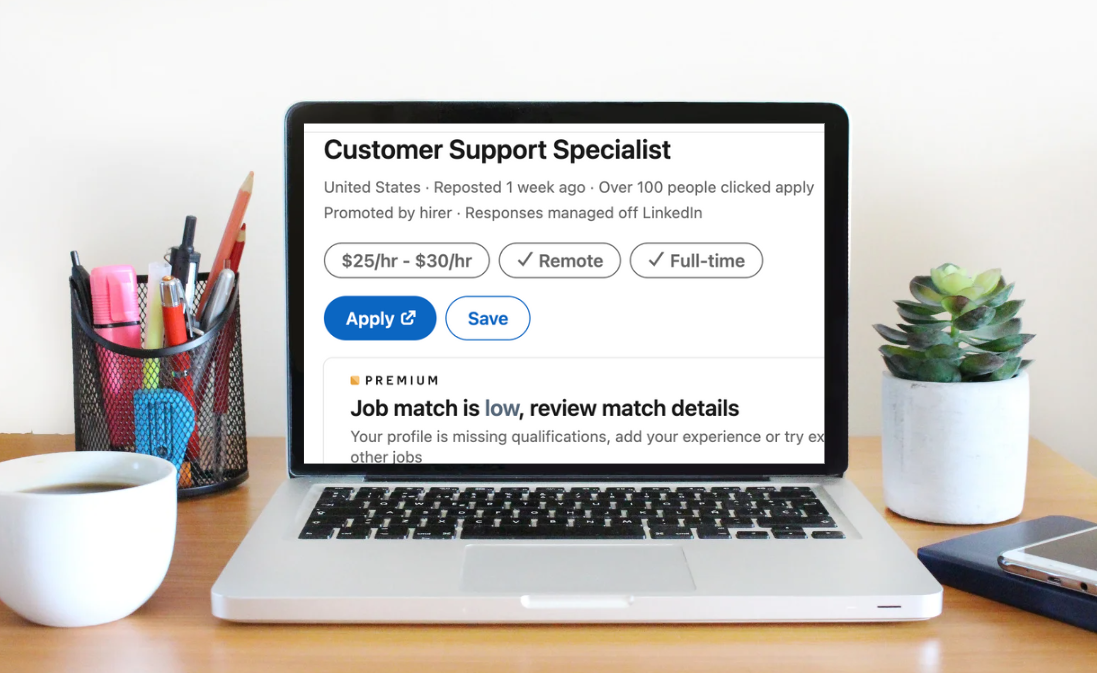
Remote roles are magnetic, at this point. Leaders at remote-first companies report being flooded with applicants, and industry tallies show a tiny share of postings labelled “remote” still pulling a huge share of total applications. That mismatch is why great candidates get buried. Even at hybrid or on-site firms, internal benchmarks often limit how many people a team will interview—six to seven candidates on average—no matter how many apply. If you’re applicant number 412, you’re not competing with everyone; you’re competing for a spot in those first few conversations. That’s a very different strategy problem than “send more résumés.” Business Insider confirms.
Ghost listings and stale requisitions burn your time
It’s not just competition; it’s noise. “Ghost jobs” are postings that aren’t real or aren’t being actively filled. Congressional researchers flagged the phenomenon as a persistent issue that’s drawn media attention for years, and periodic studies estimate that a chunk of listings are either paused, evergreen, or placeholder ads. If you’ve ever applied, waited weeks, and later discovered the role wasn’t moving forward, then you’ve probably come across one of these listings. The takeaway isn’t hopelessness and despair; it’s process.
Prioritize before you invest serious time into any job listing. Also, if you notice a company has more than one of these roles that never seem to progress, de-prioritize that company in general as you will be constantly wasting your time when you apply to their “ghost roles.”
ATS and AI filters changed the first impression
Applicant tracking systems aren’t new, but the way teams use them is shifting. Surveys find most large employers run résumés through structured workflows, and a growing share are layering in automation or AI-assisted screening to triage volume. That doesn’t mean a robot “rejects you”; it means missing keywords, fuzzy outcomes, and mismatched titles can keep you out of the first human glance. The fix isn’t keyword stuffing. It’s translation: make your real work legible to the system and instantly useful to the recruiter, experts at Jobscan writes.
Also, when you use our daily or weekly networking technique, you can apply to roles, then reach out to recruiters directly, using one of our tried and true templated messages. Doing this right after you apply can increase your chances of getting real eyes, not AI, on your application.
Referrals keep winning because they lower risk
There’s a reason everyone talks about referrals: they eliminate uncertainty and fills the role faster. Recruiter Nation data shows referrals persist as one of the most valuable sources of hire, and HR coverage routinely highlights how referred candidates move faster and stick longer. It’s not necessarily favoritism. It boils down to something more innate, something more primal than that. It boils to trust. We, as humans, have an innate longing to want to trust the people around us. It’s a bout safety.
Think about it. If you had to choose between having a new coworker who no one knows, and the person that your colleague already knows and is friends with, you’re going to immediately trust the latter. Because your colleague knows this person and likes them enough to refer them, you know that this person has to be good, even if they aren’t the perfect fit.
If they’re not a great fit, then you don’t mind training them and working with them until they become the right fit for the role. When an insider says “this person can do the job,” the hiring team gets to skip a lot of guessing. Your job is to make earning that kind of introduction a weekly habit, not a last-ditch effort, experts insist.
Time-to-fill is up, patience is down
Even when you’re the right fit, decisions drag. Reports that track hiring speed put the typical timeline in the six-to-eight-week neighborhood, and even longer in regulated or technical roles. That lag isn’t always a red flag; it’s the reality of budgeting cycles, schedules, background verification, and other logistics. The candidates who survive the wait communicate like collaborators: clear check-ins, summaries of what’s been exchanged, and proactive offers to share proof, experts writes. These methods keeps you top-of-mind without becoming a nuisance.
Mass applying rarely beats a highly targeted system
The creator behind A Life After Layoff, a former recruiter, has hammered the same theme for years: mass-applying rarely beats a targeted system. Whether or not you agree with every take, the general sentiment lines up with what hiring data and recruiter surveys show: the path of least resistance into interviews runs through context, not cold submissions. Think fewer, better applications backed by warm intros and public breadcrumbs that show how you solve real problems.
So what’s actually broken—and what you can fix this week
The process isn’t evil. It’s just overloaded. Too many résumés chase too few interview slots. Too many listings are stale or incorrectly scoped. Too many profiles speak in tasks, not outcomes. And too many candidates compete only at the “submit” button level, instead of building the rght relationships upstream. You cannot control macroeconomics or headcount approvals, but you can control how easy it is to verify you, how quickly someone can place you on a team, and how early you show up on the radar.
Reframe your goal: you’re not chasing interviews, you’re earning short conversations
When a manager can only meet six people, your mission is to become someone they would naturally want to talk to for ten minutes. That starts on your LinkedIn profile. Your headline and top résumé third should communicate role, niche, and outcome in plain English. Then you need one or two pieces of evidence, a lightweight case write-up, a quick Loom, a GitHub gist—that a stranger can click without asking you for permission. Recruiters are time-poor, strategist warn; they click what’s easy. So give them an obvious next step and you’ll feel the difference in replies. This isn’t theory; it’s how screeners survive their day-to-day.
Warm them up before you apply
The “referrals matter” headline isn’t an excuse to spam friends. It’s a blueprint for tiny weekly actions. After you publish a short proof-of-work post, send a human note to one recruiter in your niche and one likely teammate at a target company. Reference something specific and useful, not your needs. You’re not begging for a referral; you’re starting a work-shaped conversation. Over a few weeks, those micro-touches become a warm path you will start to benefit from, SHRM points out.. This is exactly why referral pipelines keep outperforming blind applications in retention and speed.
Stop losing to the first screen: translate, don’t inflate
f your résumé reads like a job description, the ATS will shrug and the recruiter will skim. Rewrite bullets to show outcomes and numbers a non-expert can understand. Replace brand-name fluff with the business effect you delivered. Edit your titles to common market titles in parentheses if your company used internal labels. And mirror the exact language of the posting where it’s honest to do so. The point is not to game the system; it’s to make your real value legible to both software and a tired human at 4 p.m.
Verify the role before you invest
Because ghost or “evergreen” posts exist, you should sanity-check priority. Look for a matching requisition on the company’s careers site, scan the team’s recent hiring activity on LinkedIn, and—when possible—ask a recruiter whether the role is actively interviewing and roughly where they are in the process. Congressional research notes the ghost-job problem isn’t new, just newly visible. Spending five minutes to validate momentum might save you hours spent on a nonexistent job, where your efforts could be spent on actual job leads.
Remote is wonderful—and brutally competitive
Flexibility remains a top desire for candidates, but the math is unforgiving. Remote postings attract an enormous application volume, which means the bar to get noticed is even higher. Leaders at remote-first firms openly say they’re inundated, citing example requisitions with four-figure applicant counts. Yeah, you read that right. 4 figures. That’s thousands of applicants for one role.
If remote is non-negotiable, you’ll need more than keywords. You’ll need digital proof, budding relationships, and a portfolio that travels. If you can tweak your requirements from fully remote to possibly hybrid, you’ll often find less coimpetition, Business Insider confirms.
Hiring teams are tightening quality control
As applicant volume grew and AI-generated sameness began to invade the application process, companies responded by doubling down on live, work-sample-style interviews and stricter identity/skills verification. That shift can feel like another hurdle, but it actually favors genuine workers who can narrate decisions and do the work under light pressure.
If you practice thinking out loud and keep a few fresh pieces of proof ready, you’ll thrive in this environment because the signal you give is hard to fake. Recruiter surveys echo this move toward skills-first screening, with portfolios, career sites, and referrals rated among the most valuable sources.
Your 30-day reset to sanity
Small moves, steady gains: pick a lane—role, niche, outcome—and refresh your headline and top résumé third to match. Once a week, share one short proof in your voice about what you built or learned. On the same day, send two friendly notes that reference it: one to a recruiter in your lane, one to a teammate prospect at a target company.
When a job opens up, double‑check the details, tune up your résumé to add the keywords, and add one easy link to your best example. Follow up with a short, friendly note to the hiring manager. After a month, compare the results: fewer no‑replies, more “sure, let’s talk,” and a smoother ride you can steer, Jobscan recommends.
The honest pep talk
The market is noisy, but it isn’t impossible. Openings still get filled. Teams still fight for great people. The difference in 2025 is how the best candidates spend their energy: not on blasting applications, but on making it effortless to verify that they can do the work. They also show up early when decisions get made. That’s how you beat the bottlenecks without burning out—one proof, one person, one process tweak at a time.
Want help building this system? Grab our free BeyondTheATS Job Tracker and “Warm Intro” scripts. Create systems that work. Craft one week of proof posts, and set up a simple outreach rhythm that gets you into the first six interviews instead of leaving you in the void as applicant number 412.
References (APA)
Bureau of Labor Statistics. (2025, Sept. 30). Job openings and labor turnover—News release. https://www.bls.gov/news.release/jolts.nr0.htm Bureau of Labor Statistics
Business Insider. (2025, Oct.). Remote companies say they’re flooded with applicants as others mandate RTO. https://www.businessinsider.com/remote-companies-say-getting-flooded-with-applications-2025-10 Business Insider
Congressional Research Service. (2025, Apr. 25). “Ghost” job postings. https://www.congress.gov/crs-product/IF12977 Congress.gov
Employ / Jobvite. (2024). Recruiter Nation Report 2024: Empowering people-first recruiting. https://pages.jobvite.com/rs/659-JST-226/images/2024-Employ-Recruiter-Nation-Report-Empowering-People-First-Recruiting.pdf Employ
Jobscan. (2025, Jul. 14). 2025 ATS usage report (Fortune 500). https://www.jobscan.co/blog/fortune-500-use-applicant-tracking-systems/ Jobscan
SelectSoftware Reviews. (2025, Aug. 13). Applicant tracking system statistics. https://www.selectsoftwarereviews.com/blog/applicant-tracking-system-statistics SelectSoftware Reviews
SHRM. (2025, Feb. 25). Majority of employee referrals made during work hours. https://www.shrm.org/topics-tools/news/talent-acquisition/majority-of-employee-referrals-made-during-work-hours SHRM
Heartcount. (2025, Sept. 25). Time to fill vs. time to hire. https://heartcount.com/blog/time-to-fill-vs-time-to-hire/ HeartCount
LinkedIn commentary. (2024–2025). Hiring metrics and candidate volume insights. Sample synthesis; see also application-volume analyses.
https://www.linkedin.com/pulse/state-us-recruiting-20242025-key-hiring-metrics-pharma-alex-benjamin-neuje LinkedIn
A Life After Layoff. (n.d.). Channel homepage. https://www.youtube.com/c/ALifeAfterLayoff YouTube
Wall Street Journal. (2024, Jan.). Fewer Americans quit jobs in November. https://www.wsj.com/economy/jobs/fewer-americans-quit-jobs-in-november-82fbe37c The Wall Street Journal
Entrepreneur. (2025, Sept. 3). Study finds roughly one-quarter of LinkedIn jobs are “ghost jobs.” https://www.entrepreneur.com/business-news/one-quarter-of-jobs-posted-online-are-fake-ghost-jobs-study/496683 Entrepreneur